


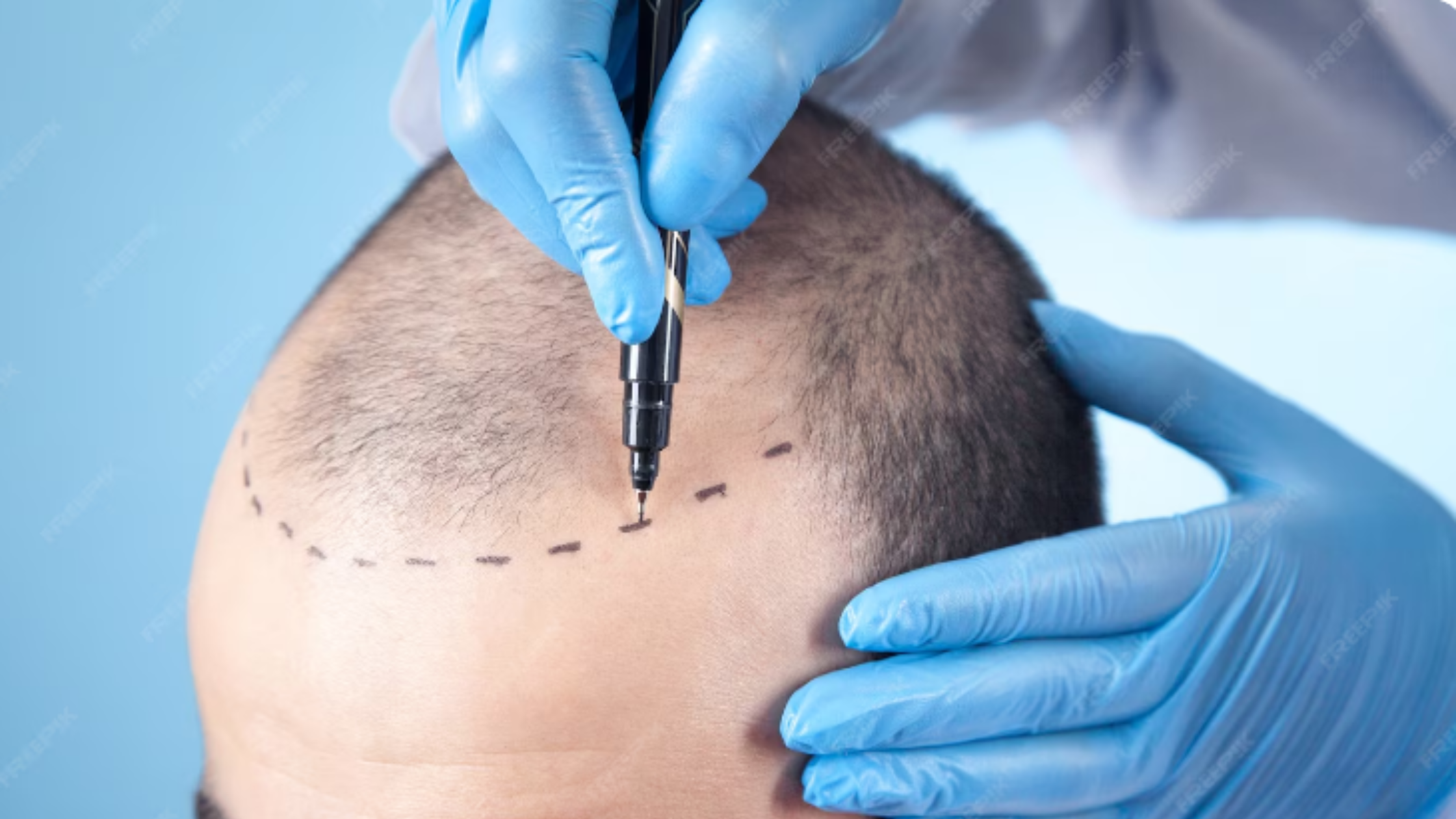
A hair transplant is a surgical procedure where hair follicles are moved from one part of the scalp (usually the back or sides) to an area that is thinning or bald. This procedure is used to restore hair growth in areas with hair loss. It provides a permanent and natural-looking solution by using your own hair, ensuring that the transplanted follicles continue to grow as they did in their original location. The hair transplant procedure works by taking small, individual grafts of hair from a donor area (usually thicker and denser hair regions) and implanting them into the thinning or bald patches. These grafts are strategically placed to mimic natural hair growth, creating an aesthetically pleasing and seamless result.
What is Hair Grafting?
Hair grafting is an essential part of the hair transplant process. It refers to the act of extracting hair follicles (grafts) from the donor area and implanting them into the recipient area. Each graft may contain one or several hair follicles, and the number of grafts required depends on the extent of hair loss. The primary goal of hair grafting is to fill the bald spots with natural hair growth, blending the transplant seamlessly with the rest of your hair.
Hair grafting involves meticulous care and precision to ensure the grafts are placed at the correct angle and depth for a more natural look. Different grafting techniques can be used based on the patient’s needs and the hair transplant method chosen.
Common Hair Transplant Techniques
There are two primary hair transplant techniques used today:
1. Follicular Unit Extraction (FUE)
Follicular Unit Extraction (FUE) is one of the most popular and modern methods of hair transplant. During FUE, individual hair follicles are extracted from the donor area using a small punch tool and are then transplanted into the recipient area. This technique is minimally invasive, leaving no linear scar, and promotes quicker healing and minimal discomfort post-procedure.
FUE offers natural-looking results because it extracts the hair follicles one by one, allowing for precise placement in the thinning or bald areas. The procedure is generally performed under local anesthesia, and patients can usually return to their daily activities within a few days.
2. Follicular Unit Transplantation (FUT)
Follicular Unit Transplantation (FUT) involves removing a strip of skin from the donor area, typically from the back of the scalp. The strip is then dissected under a microscope into individual follicular units, which are then transplanted into the thinning or bald areas of the scalp.
While FUT provides a larger number of grafts in a single session, it does leave a linear scar at the donor site. The recovery time for FUT can be longer compared to FUE, as it involves stitching and a slightly more invasive process. However, FUT is often recommended for patients who require larger grafts or have more extensive hair loss.
Key Considerations Before Getting a Hair Transplant
Before undergoing a hair transplant, there are several important factors to consider to ensure the best possible outcome:
-
Health and Medical History: A full medical assessment will be conducted by the surgeon to ensure you are a suitable candidate for a hair transplant. This includes reviewing your medical history, medications, and any existing health conditions that may affect the procedure or healing.
-
Hair Type and Density: The success of a hair transplant depends on the quality and density of your donor hair. If your donor area has low-density hair, the results may not be as successful. An experienced hair transplant specialist can assess your hair type and advise you accordingly.
-
Realistic Expectations: It’s crucial to have realistic expectations. While a hair transplant can provide significant improvements, the results will depend on your hair loss condition and the quality of the transplant. It’s essential to discuss your goals with your surgeon to ensure that they align with what’s possible.
-
Choosing the Right Clinic: Selecting a reputable clinic with experienced surgeons is essential for the success of the procedure. Look for a clinic that offers personalized consultations, uses the latest techniques, and has a proven track record of successful results.
When is the Right Age for a Hair Transplant?
The ideal age for a hair transplant varies based on individual factors such as the extent of hair loss and the progression of male or female pattern baldness. Typically, people in their 30s and 40s are considered ideal candidates for hair transplants, as their hair loss has stabilized.
However, hair transplants can also be performed on younger patients, provided their hair loss is well established. For younger individuals, it’s essential to wait until the hair loss pattern is more predictable, as early transplants can be affected by future hair loss.
Care Tips After a Hair Transplant
After the hair transplant procedure, proper aftercare is vital for achieving optimal results:
-
Follow Post-Op Instructions: Your surgeon will provide detailed aftercare instructions, including how to clean the scalp, avoid scratching, and prevent infection.
-
Avoid Direct Sunlight: Protect your scalp from direct sunlight for several weeks after the procedure. Wearing a loose-fitting hat can provide protection.
-
Avoid Strenuous Activities: Refrain from heavy exercise or activities that cause sweating for a few weeks following the transplant to avoid any complications.
-
Take Prescribed Medications: You may be prescribed pain relief or antibiotics to prevent infection and help with the healing process. Follow your doctor’s advice regarding medication.
-
Be Patient: It can take several months for the transplanted hair follicles to start growing, and the final results may not be visible for up to a year. Patience is key during the recovery phase.
Consultation with Dr. Mazhar Hussain Clinics
While the cost of hair transplants can vary depending on the clinic, the extent of the procedure, and the technique used, it is always advisable to schedule a consultation with an experienced professional. At Dr. Mazhar Hussain Clinics, we offer personalized consultations to discuss your specific hair restoration needs and develop a customized treatment plan tailored to your goals.
We utilize the latest techniques and technology to ensure natural-looking results with minimal downtime. Our expert team is dedicated to providing you with the highest level of care, and we are committed to helping you achieve the confidence you deserve.
Conclusion
Hair transplant and hair grafting are highly effective solutions for those experiencing hair loss. With the right techniques, such as FUE or FUT, and a reputable clinic like Dr. Mazhar Hussain Clinics, you can restore your hair and enhance your confidence. Remember, a hair transplant is a personal journey, and careful consideration, along with expert advice, is essential for a successful outcome. We invite you to visit us for a consultation and begin your hair restoration journey with the trusted professionals at Dr. Mazhar Hussain Clinics.