


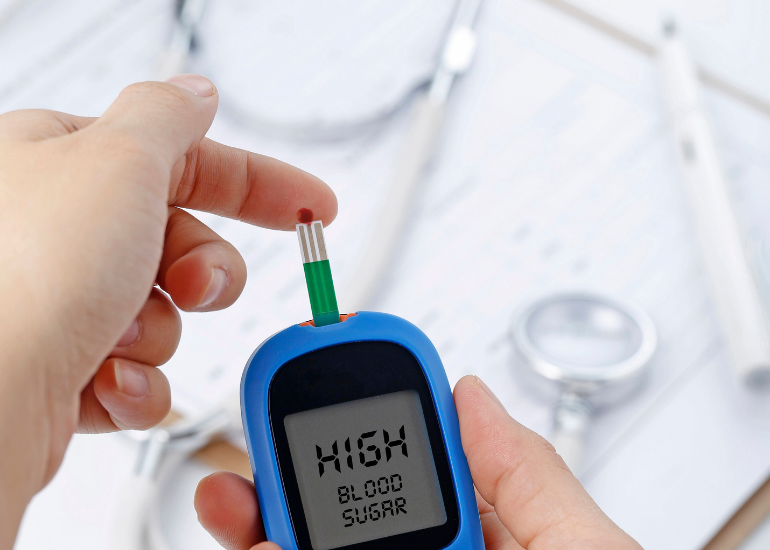
What Is Insulin Resistance?
Insulin resistance occurs when cells in the body respond less effectively to insulin, requiring higher insulin levels to maintain normal blood glucose.
Over time, this leads to:
- Elevated insulin levels
- Rising fasting or post-meal glucose
- Increased fat storage, particularly visceral fat
- Progressive metabolic stress on the liver, muscle, and pancreas
Prediabetes reflects a later stage in this process, where glucose regulation is beginning to fail.
Common Signs and Risk Factors
Insulin resistance may be present even when standard tests appear normal. Risk factors include:
- Central or abdominal weight gain
- Difficulty losing weight despite effort
- Fatigue or drowsiness after meals
- Erectile dysfunction or sexual problems
- Infertility
- Sleep disorders
- Family history of type 2 diabetes
- History of gestational diabetes or PCOS
- Fatty liver disease
- Sedentary lifestyle or chronic stress
Why Early Detection Matters
Waiting until diabetes develops misses a critical window for prevention.
- Insulin resistance often precedes type 2 diabetes by many years
- Early intervention can often restore metabolic flexibility
- Delayed treatment increases cardiovascular and liver risk
Early action allows simpler, more sustainable strategies.
How We Assess Insulin Resistance
Assessment focuses on identifying dysfunction before irreversible damage occurs and may include:
- Detailed medical and lifestyle history
- Review of body composition and fat distribution
- Interpretation of glucose and insulin markers
- Assessment of lipid and liver-related markers
- Evaluation of sleep, stress, and activity patterns
Testing is selected to clarify physiology, not to label disease prematurely.
Treatment Approach
1) Identify the Primary Drivers
Insulin resistance is influenced by multiple interacting factors, including:
Excess visceral or ectopic fat
Sleep disruption and circadian misalignment
Chronic stress physiology
Dietary mismatch for individual metabolism
Physical inactivity
Understanding which drivers are active allows prioritised intervention.
Understanding dominant drivers allows targeted intervention.
2) Individualised Metabolic Intervention
Care plans may include:
- Nutritional strategies to improve insulin sensitivity
- Gradual, sustainable weight and body composition changes
- Physical activity plans matched to metabolic capacity
- Stress and sleep optimisation
- Medical therapy when indicated
The focus is restoring metabolic flexibility, not rapid glucose suppression alone.
3) Monitoring and Prevention
Progress is monitored using:
- Clinical response and energy levels
- Trends in metabolic markers
- Sustainability of lifestyle changes
The aim is long-term risk reduction, not short-term correction.
Relationship to Other Conditions
Insulin resistance commonly overlaps with:
- Fatty liver disease (MAFLD)
- Polycystic ovary syndrome (PCOS)
- Cardiovascular risk factors
- Hormonal imbalance
Care is coordinated across programs where appropriate.
Frequently Asked Questions
Q1 :Can insulin resistance be reversed?
In many cases, yes — particularly when addressed early. Outcomes depend on severity, duration, and engagement with treatment.
Q2 :Does prediabetes always progress to diabetes?
No. With appropriate intervention, progression can often be delayed or prevented and, in many cases, reversed.
Q3 :Will I need medication?
Many patients do not require medication, while some may benefit from it. Decisions are based on overall risk and response to initial measures.
Next Step
If you have been told your blood sugar is borderline, have central weight gain, or are concerned about metabolic risk, early assessment is advisable.